South Asian street food is bold, unforgettable, and bursting with layered flavors. Found in bustling markets, roadside carts, and neighborhood stalls, these dishes represent the beating heart of everyday food culture in India, Pakistan, Bangladesh, and beyond. If you want to taste South Asia authentically, skip the dining room and hit the streets.
What is chaat and why does everyone love it?
Chaat is a broad category of savory snacks, typically combining crispy textures, tangy chutneys, yogurt, and spices. The word chaat comes from the Hindi word chaatna, meaning “to lick,” and that’s exactly what you’ll want to do when the flavors hit.
Some must-try varieties include:
- Pani puri (also known as golgappa or puchka): Crisp, hollow shells filled with spicy tamarind water, potatoes, and chickpeas
- Bhel puri: A crunchy mix of puffed rice, vegetables, tamarind sauce, and sev
- Aloo tikki chaat: Fried potato patties served with chickpeas, chutneys, and yogurt
Each bite delivers sweet, sour, spicy, and salty notes in perfect balance. For visuals and recipes, explore BBC Good Food’s chaat recipes.
Grilled, fried, and fire-roasted favorites
Street food isn’t just about snacks. Across South Asia, you’ll find sizzling meats, fire-roasted breads, and deep-fried specialties that rival restaurant fare. Look out for:
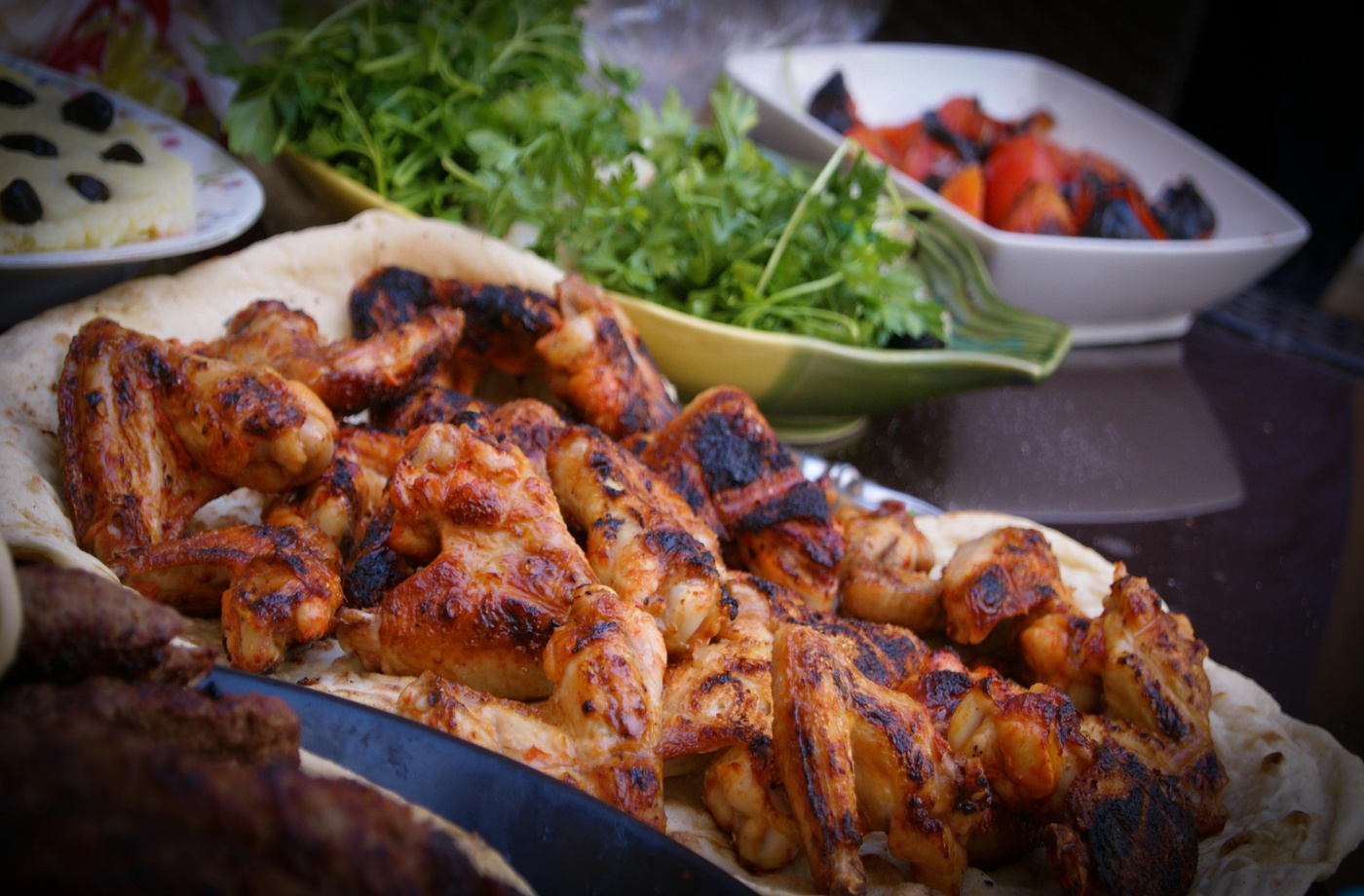
- Kebabs: Seekh kebabs, chicken malai tikka, or beef chapli kebabs, depending on the region
- Kathi rolls: A Kolkata favorite—flatbread wrapped around grilled fillings and sauces
- Pakoras: Deep-fried fritters made from vegetables, paneer, or meat, often served with mint chutney
- Tandoori items: Though typically restaurant-based, some street vendors now serve tandoori chicken cooked in portable clay ovens
Each region has its take—Lahore’s kebab stalls, Mumbai’s vada pav carts, and Delhi’s chaat corners all tell unique culinary stories.
Desserts worth waiting in line for
Street dessert culture is equally exciting. Favorites include:
- Jalebi: Deep-fried coils soaked in syrup
- Kulfi: Traditional frozen milk-based dessert, denser than ice cream
- Falooda: A chilled dessert drink with vermicelli, basil seeds, rose syrup, and milk
- Gulab jamun: Fried milk balls soaked in cardamom-scented syrup
Check out TasteAtlas for regional dessert breakdowns.
Regional specialties to seek out
South Asian countries offer hyperlocal specialties tied to history and geography. In Hyderabad, you’ll find spicy mirchi bajji and haleem during Ramadan. In Dhaka, fuchka dominates the scene. In Karachi, bun kebabs offer a desi twist on the burger. Even within India, street food differs dramatically from Punjab to Tamil Nadu.
Tips for trying street food safely
If you’re traveling in South Asia or exploring South Asian neighborhoods abroad, follow these tips:
- Choose stalls with long lines (they turn over food quickly)
- Watch your food being made fresh in front of you
- Carry bottled water
- Go easy on raw ingredients (like chopped onions or raw chutneys) if you have a sensitive stomach
Why street food matters
Street food is about more than just flavor—it’s economic, cultural, and personal. Vendors often pass down recipes through generations, and many families rely on street carts for their livelihoods. Experiencing this food respectfully and mindfully adds depth to your culinary appreciation.
Final thoughts
Whether it’s a plate of aloo chaat from a corner in Delhi or a smoky beef kebab from a cart in Lahore, South Asian street food tells stories through spice, texture, and tradition. You don’t need a reservation or a fine-dining budget—just curiosity and an appetite.